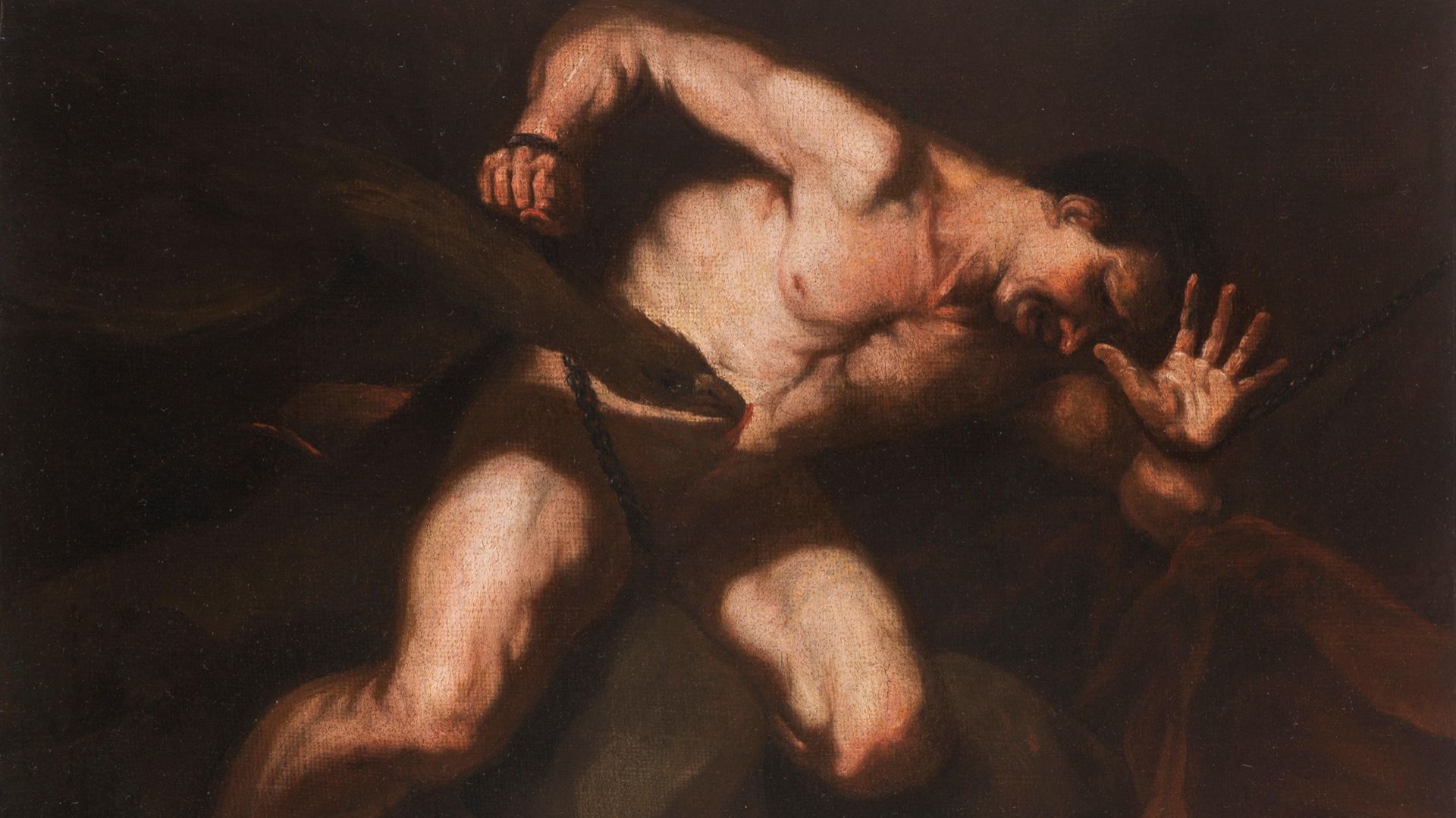
Ever since the ancient Greeks dreamt up the myth of Prometheus, humanity has been arguing about the dual nature of technology. The fire that Prometheus stole from the gods could warm humans, but also burn us. So it is with the widespread deployment of artificial intelligence systems today. The champions of AI have long argued that this general purpose technology will produce an unprecedented surge in productivity and creativity; its critics fear it carries alarming present-day risks and may even pose an existential threat to humanity in future.
The release last year of powerful generative AI models, such as ChatGPT and Dall-E 2 developed by OpenAI, has reignited that smouldering debate. More than 100mn users have already experienced the weird and wondrous things these types of generative models can do: achieve near-human levels of recognition and replication of text and images, co-create computer code and produce fake viral photos of the Pope in a white puffer jacket.