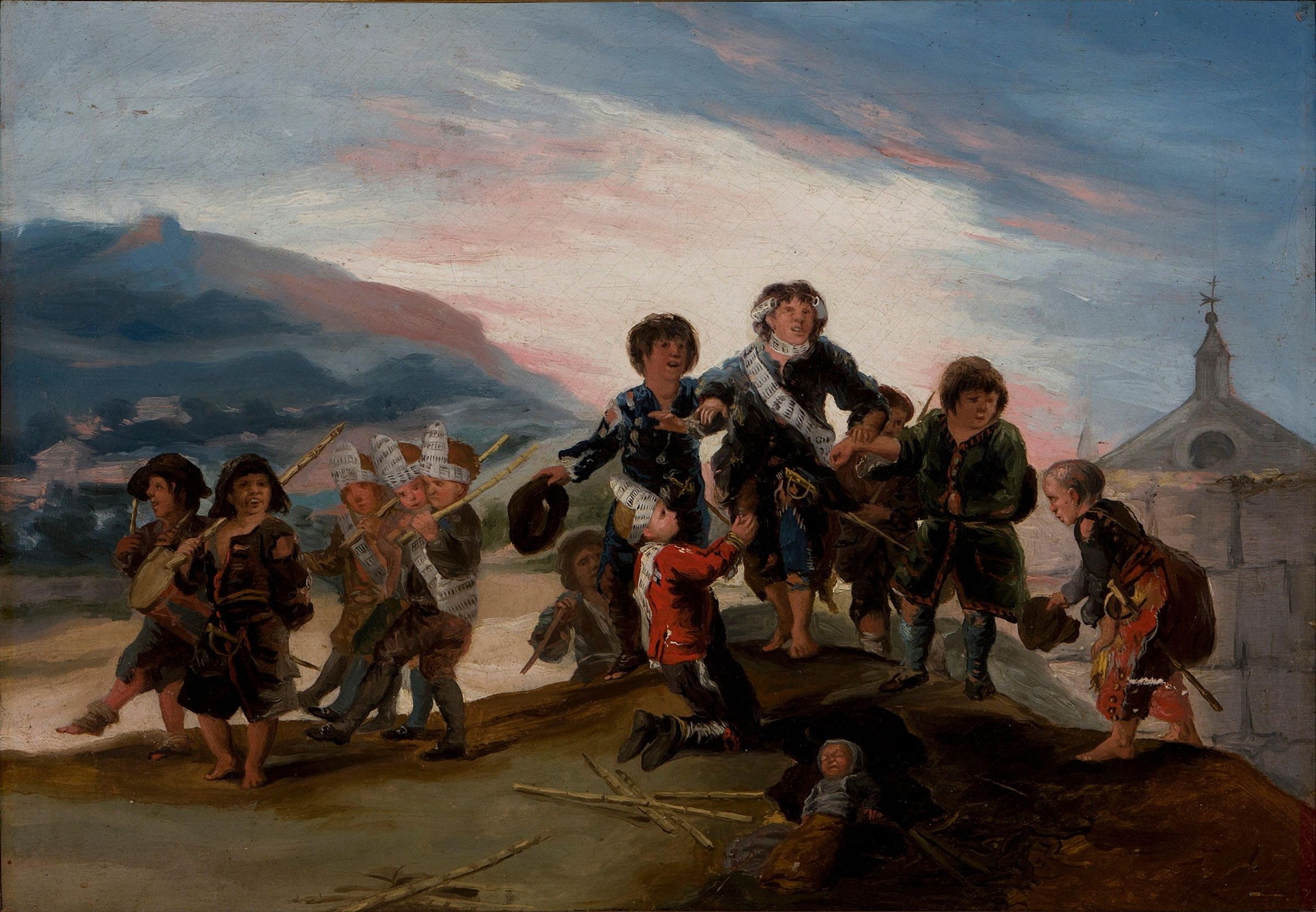
One afternoon last week, after several days spent sitting at my desk, I became keenly aware of a restlessness in my body. As I gazed out of the window, trying to decide what to do, I had a memory of playing tag as a child. We would designate someone as “it” and that person would have to chase everyone else around. Whoever got “tagged” was the next one to do the chasing.
It was a fun way to burn off excess energy. But it was also a game that brought kids together, to experience community, to engage with one another playfully. I sat at my desk and thought about how funny, and fun, it would be to have an adult game of tag. The endorphins, the momentary release from stress, the sense of community and the laughter that would outweigh any sense of silliness we might feel. It got me thinking more reflectively about how the games we played as children echo throughout our adult lives, though with less sense of joy and freedom.