Main developments
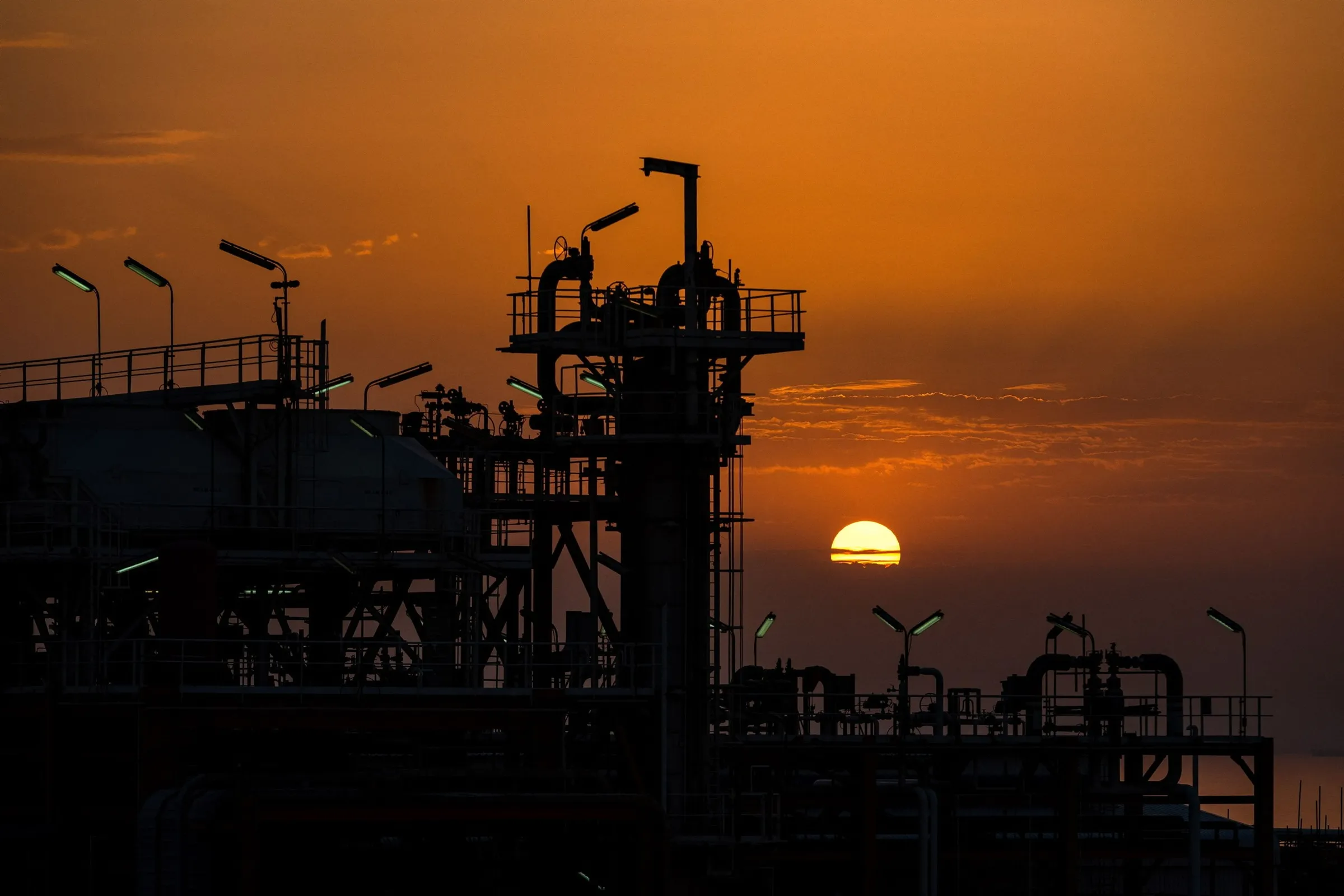
Qatar said Iran had inflicted “extensive damage” after missile attacks around the Ras Laffan terminal, the world’s largest liquefied natural gas facility.
Iran had earlier vowed to retaliate after its South Pars gasfield and neighbouring refineries were targeted by strikes. Israel struck the gasfield, the world’s largest, a person familiar with the matter said.
Brent crude rose more than 7 per cent to briefly hit more than $110 a barrel. European gas prices jumped 6 per cent to €54 per MWh.
Powerful blasts rocked central Beirut as Israel’s attacks intensified beyond the Hizbollah stronghold of the southern suburbs.
Israel Defense Forces said it had begun striking targets in northern Iran for the first time in the campaign.
A tanker operator has paid a $2mn fee to Iran in exchange for safe passage through the Strait of Hormuz, according to Lloyd’s List Intelligence.
Iran said it would avenge the killing of the country’s top security official, Ali Larijani, after confirming his death. The army has also said it would use more “modern weapons” in the coming days.
The UAE’s central bank has launched a “resilience package” for the financial sector. Dubai’s financial district has been repeatedly targeted by drones while air travel has been severely disrupted.
Habshan gas facility suspends activity after missile interception
The United Arab Emirates’ Habshan gas facility has suspended operations as Abu Dhabi authorities respond to “incidents” caused by falling debris from missile interceptions.
The Abu Dhabi media office said in a post on X that officials were also responding to an incident at the Bab oilfield. No injuries have been reported.
Satellite captures fire at Qatar LNG facility
A fire-detecting satellite has captured an exceptionally large blaze at the Ras Laffan facility in Qatar.
The conflagration was measured by a passing Nasa satellite at 17.56 GMT as emitting an energy output of 1,420 megawatts. While the area shows routine thermal activity, thanks to its flaring, the detections are typically less than 10MW per detection.
The satellites used in fire detection employ infrared sensors which can detect blazes and quickly share observations. The output at that moment, as the satellite passed overhead, was of an intensity only reached during significant industrial accidents and large intense wildfires such as those in Turkey in 2021.