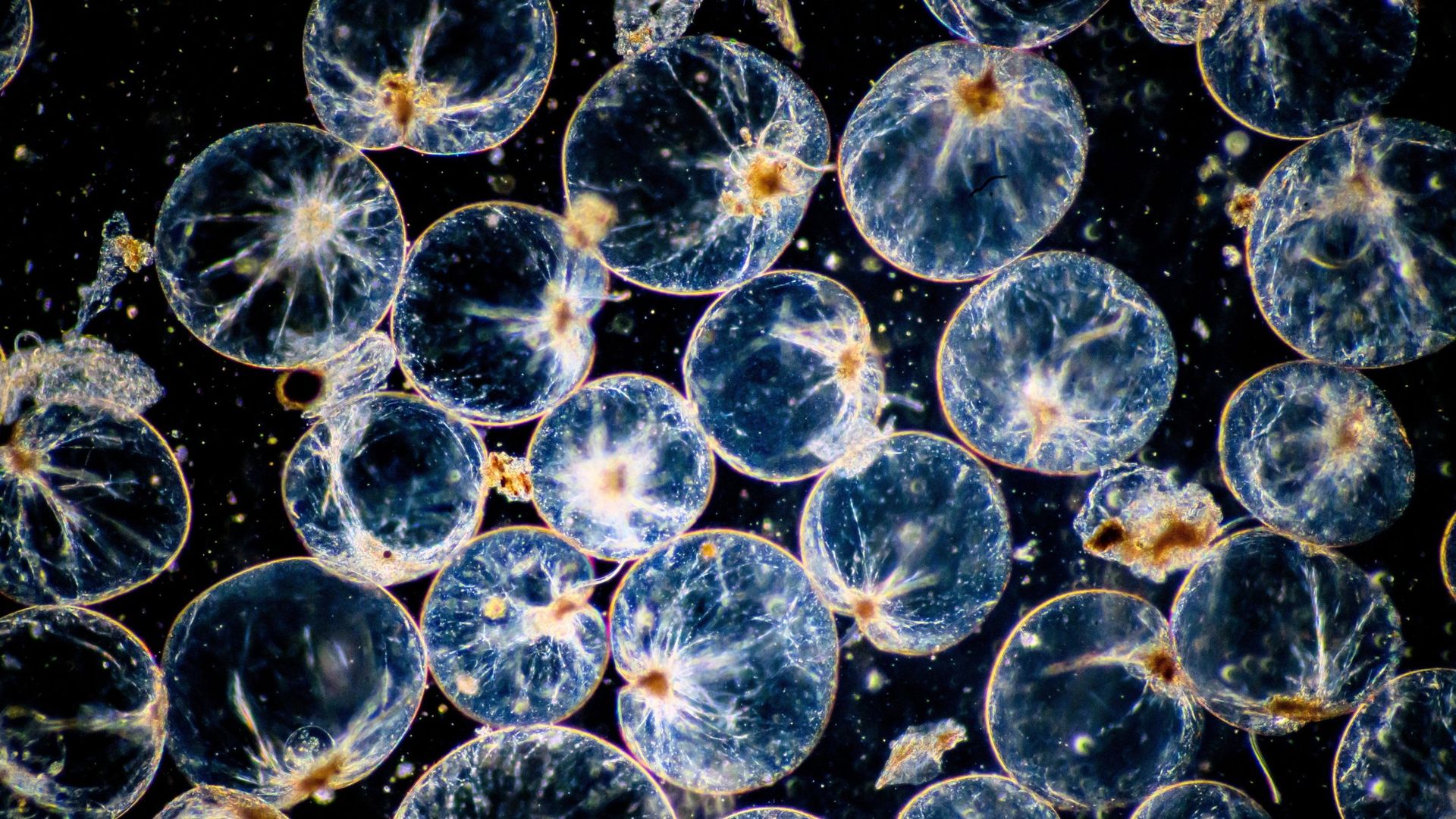
It’s one of the most magical phenomena in nature — night-time bioluminescence, an unearthly blue sparkle that illuminates breaking waves and smears twinkling light across the shore, as if all the stars in the universe had been condensed into a celestial paste.
But where an untrained eye enjoys an enchanting light show, scientist Joaquim Goes sees an alarming and mysterious organism. It’s one he has chronicled for two and a half decades and whose extraordinary rise in the Arabian Sea, his research has found, is linked to climate change.
您已阅读17%(713字),剩余83%(3524字)包含更多重要信息,订阅以继续探索完整内容,并享受更多专属服务。