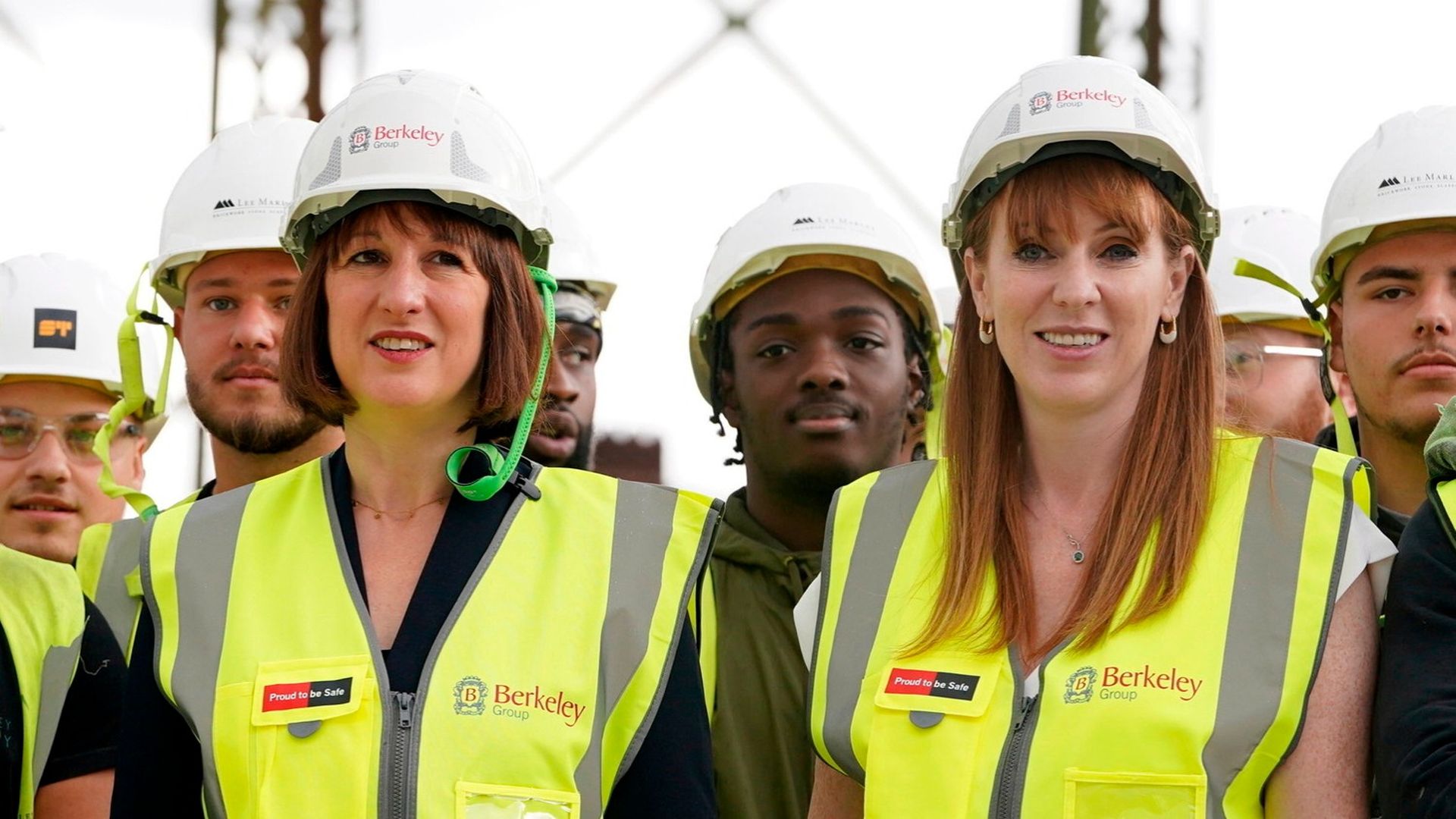
In her first major speech as Britain’s chancellor of the exchequer, Rachel Reeves underscored the new government’s dogged focus on delivering long-term economic growth, declaring it a “national mission”. With sluggish productivity for well over a decade, promises to drive growth are, however, much less important than the plan to deliver it. Labour’s growth strategy is still nascent, though its manifesto and early announcements give a flavour of its plan. One essential element is to unlock investment. Without a sustained increase in both public and private capital expenditure, Labour’s national mission will remain a pipe dream.
The UK has languished at the bottom of the G7 table for total investment for 24 of the past 30 years. Investment is needed to revamp roads, rail and energy infrastructure, and drive innovation. This boosts productivity growth and wages. Britain’s investment problem is multi-faceted, and no single lever can unleash it. But three catalysts will give Labour a strong chance of success: stabilising the policy environment, creating investment opportunities, and mobilising money.