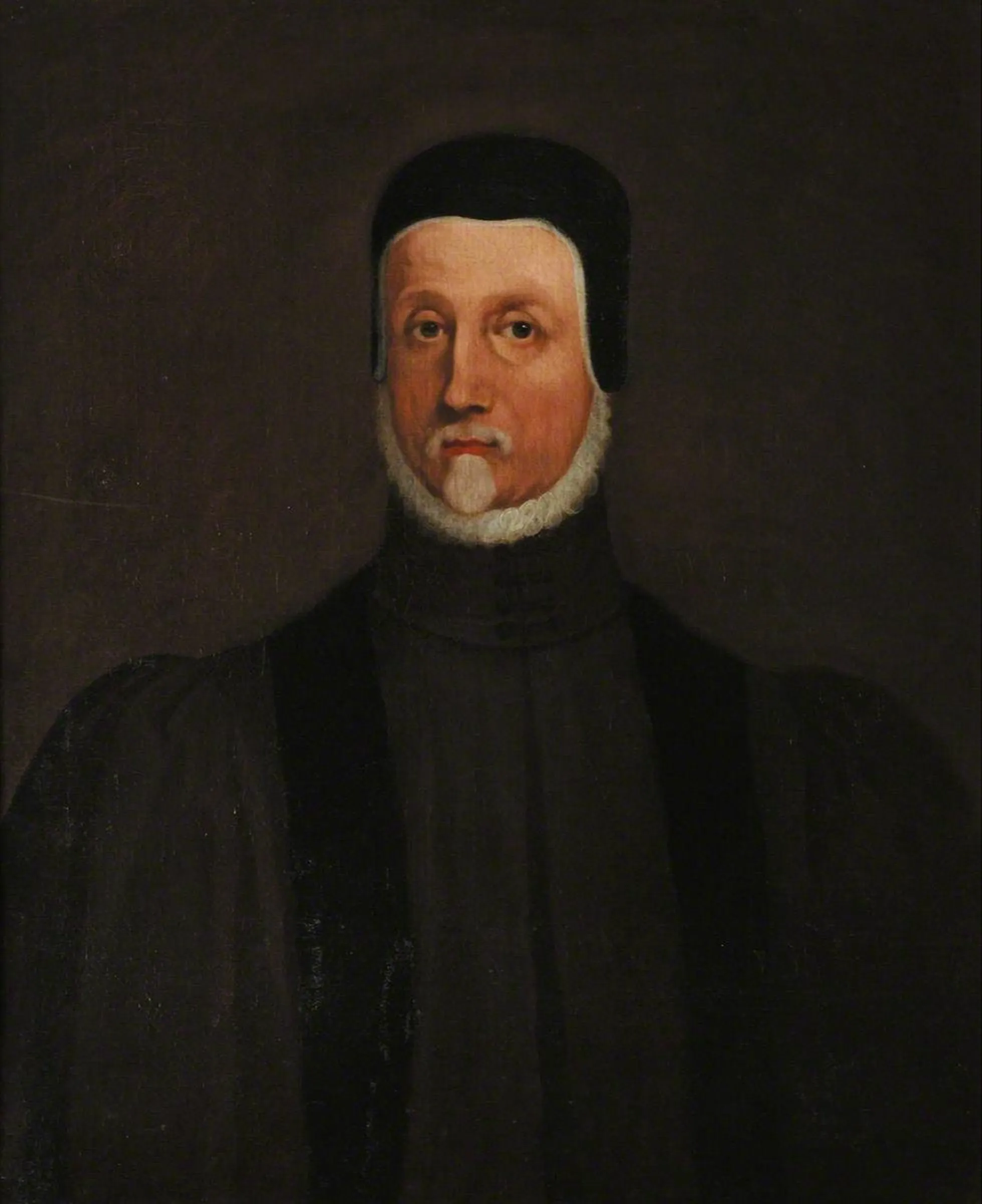
Ralph Kettell was the kind of eccentric only Oxford can produce. Born in Hertfordshire in 1563, he was 15 when he first came to the city and its ancient university, winning a scholarship to Trinity College. Like so many, he never really left. As the years passed and Kettell’s neat goatee grew grey, he became a don, a churchman and eventually the head of his college.
拉尔夫•凯特尔是那种只有牛津才能孕育出的古怪之士。1563年生于赫特福德郡,15岁时他首次来到这座城市及其古老大学,并赢得了三一学院(Trinity College)的奖学金。和许多人一样,他从未真正离开。岁月流逝,凯特尔修剪整齐的山羊胡渐渐花白,他先后成为学者、教士,最终出任学院院长。
您已阅读5%(632字),剩余95%(13309字)包含更多重要信息,订阅以继续探索完整内容,并享受更多专属服务。